Living rooms carry the weight of daily life. They host Sunday papers and birthday banners, film nights, cold mornings with mugs that leave faint rings on the side tables. When you refresh that space well, you feel it every time you step through the door. Hiring a skilled painter in Melton Mowbray can shift the entire mood of a home without the disruption and cost of a full renovation. I’ve seen modest semis transformed with nothing more than thoughtful colour, careful prep, and a steady hand. The skill isn’t just about getting paint on a wall. It’s about elevating light, hiding flaws, and choosing finishes that age gracefully.
Why a professional matters in a room you use every day
A living room has more variables than people expect. Sunlight hits differently across seasons, corners hold shadow, and fireplaces, alcoves, and radiators all complicate the job. A good decorator reads a room quickly. They spot the hairline cracks that will show through a thin emulsion, the glossy skirting that needs a degloss, the slightly bowed wall that will telegraph every roller mark if the wrong finish is used. These small judgments, made at the start, separate a job that looks sharp for years from one that is already disappointing after the first month.
I’ve lost count of the times a client tried a DIY refresh and then called for help. Often, the paint is fine, but the prep was rushed or the finish mismatch made the walls look patchy. In Melton Mowbray, where many living rooms face east or west, light plays tricks. Early sun exaggerates roller lines, and late light exposes every brush drag on satinwood. An experienced painter plans around this.
Reading the room before a drop of paint
Before I quote, I like to walk a room twice. First, for structure and defects. Second, for light and flow. Living rooms in Victorian terraces around Burton End often carry original plaster with a fine crazing that needs stabilising. Newer estates closer to Thorpe Arnold might have plasterboard joints that flash under low-sheen finishes. In both cases, a professional knows when to bring in a sealer, when to skim-fill, and when to sand back to sound substrate.
Furniture layout matters. If your sofa sits beneath the window, any scuffs from belts or buckles will appear in a few months unless the paint has the right scrub rating. That’s why I often steer people toward durable matt paints with Class 1 scrub ratings for the main walls. They look soft but take a wipe without burnishing.
Windows, often timber in older properties, need a separate conversation. Flaking paint on sashes or casements around Melton frequently traces back to condensation or micro-movements rather than bad paint. Unless we address the root cause, the best primer in the world won’t keep it sound. A frank chat up front saves call-backs and frustration.
Colour choices that earn their keep
Colour is the part clients enjoy most, and rightly so. But the right shade depends on light and scale. North-facing living rooms in Melton Mowbray and nearby villages draw in a cooler, almost blue-tinted light. Warm neutrals with a hint of yellow or red bring life back without turning peachy. South-facing rooms can handle cooler greys and even muted blues because the sun does the warming.
I worked on a home near Burton Lazars where the living room felt narrow and a touch gloomy. The clients wanted a calm grey but had picked a shade that read steely. We shifted just two tones warmer and added a quarter strength on the ceiling to soften the transition. The result was night-and-day different, even though the changes were subtle on paper.
Accent walls have their place, but I suggest them for alcoves or chimney breasts when you want to shape the room, not to shout. A deep green inside a bookcase bay or a muted clay hue on the fireplace surround can anchor the space. Pick up the tone in cushions or a throw and you’ve got cohesion without the hard edge of a dramatic feature wall.
Finishes that survive real life
Sheen level affects both look and longevity. A flat matt hides imperfections but can scuff if it’s cheap. Durable matt offers a good compromise, especially for homes with children or dogs. Eggshell gives a soft glow and cleans easier, but it will highlight uneven plaster. On woodwork, water-based satin dries quickly, smells less, and resists yellowing. It has improved a lot over the past decade. Oil-based can still give a richer flow on doors with heavy mouldings, but if the room gets little light, it may yellow more quickly.
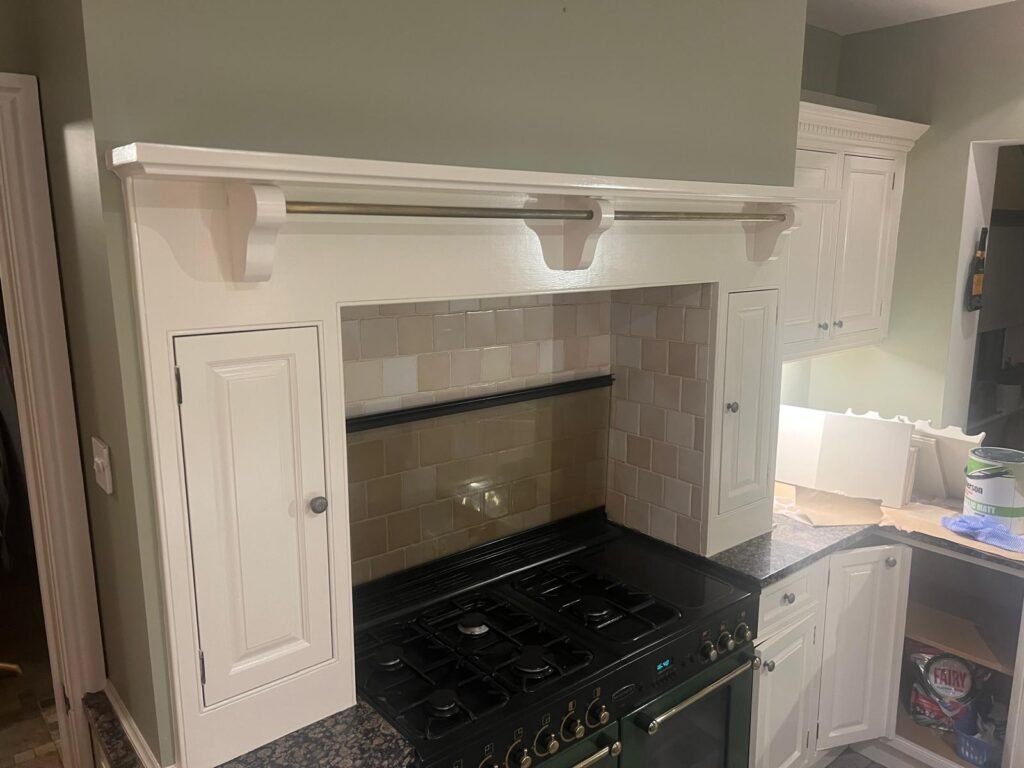
If you have radiators in awkward spots, a dedicated metal primer followed by a heat-resistant topcoat prevents the micro-bubbling that can happen when regular emulsion is applied as a shortcut. Skirting boards that meet carpet need a neat brush hand and a steady masking strategy. A trick I use is to run a flexible plastic shield between carpet and skirting while cutting in, which avoids the gummy residue some tapes leave.
The quiet power of preparation
Prep makes the paint sing. There’s no glamour in sanding or filling, yet this work determines how crisp the final result looks. Walls need a full dust-off after sanding, not just a cursory wipe. A shop vac with a brush attachment earns its keep. On certain older plaster walls around Melton, I use a fine-mesh sanding pad and a pole sander to level micro-ripples before paint. It looks fussy in the moment but pays off when afternoon light hits at a sharp angle.
Gaps between skirting and walls benefit from a flexible decorator’s caulk, applied sparingly and tooled smooth. The goal is to keep it invisible. For hairline cracks that move seasonally, a fine fiberglass tape under filler can prevent the reappearance of a telltale line. Where previous paint is glossy, a deglossing agent and a light sand help new coats bond. If a nicotine-stained ceiling is on the cards, an oil-based or shellac primer keeps the stain from bleeding through. Two coats of topcoat alone won’t fix it.
Timelines, disruptions, and the rhythm of a job
A typical living room repaint in Melton Mowbray, including walls, ceiling, and woodwork, takes two to four days for one experienced painter, depending on prep. If we’re dealing with cracks, tricky windows, or a built-in unit that needs sanding, expect closer to the upper end. Water-based systems speed the process, but drying times still matter when stacking coats. I plan ceiling first, walls second, woodwork last. This sequence keeps splatter off fresh trim and prevents the final gloss from picking up dust kicked up earlier.
Furniture doesn’t need to leave the house, but it should move to the center and be covered properly. I use clean cotton sheets topped with plastic to combine absorbency with protection, especially for leather sofas that don’t like plastic pressed against them for hours. Pets should be kept out. Curious noses collect paint, and tails do a remarkable job of redistributing it.
Budgets that make sense
People often ask for rough numbers. For a modest living room in Melton Mowbray with average prep, you might expect labour and materials to land in the low hundreds to just over a thousand, depending on size, condition, and finish choices. Premium durable paints cost more up front but save in the long run because they resist marks and require fewer repaints. If you’re adding panelling or re-finishing a tired mantel, that becomes a separate line.
I prefer transparent quotes with a clear scope: number of coats, areas included, brand and product line, and any exclusions like damp repair or replacement of rotten timber. If you have a painter in Oakham, a painter in Rutland, or a painter in Stamford quoting as well, compare this level of detail rather than just the final price. It reveals who has thought through the job.
Local insight helps
Homes around Melton Mowbray vary widely. There are red-brick terraces, post-war semis, and newer builds with crisp plaster. You also see a fair share of cottages with lime-based plaster in the villages. Lime breathes differently, and a painter who knows that won’t smother it with a non-breathable paint that traps moisture. If you’re in a conservation area or working within guidelines common to parts of Rutland, a decorator who is comfortable with heritage tones and breathable finishes is worth seeking out.
Weather plays a role too. During damp spells, the drying curve stretches out. A seasoned decorator reads the room, checks humidity, and spaces coats accordingly. Rushing a second coat onto a slightly tacky first is how you end up with a draggy texture or flashing that only appears once the room has fully dried.
Choosing the right pro, not just any pro
You’re inviting someone into your home, often while you work or shepherd kids to school. Reliability matters. Look for clear communication, a tidy site, and respect for your routine. The best decorators turn up when they say they will, protect your floors, and leave the room usable at the end of each day. Ask for a couple of local references or photos of similar living rooms. Not every painter photographs well, but most have a few examples on a phone.
A quick chat about products reveals a lot. If someone can explain why they prefer a certain durable matt for high-traffic walls or a specific primer for knotty pine, you’re likely in good hands. Conversely, if the answer to everything is a single bargain brand, you might end up paying twice.
Craft that shows in the edges
Edges tell the truth. A crisp line at the ceiling, a steady run along the skirting, and a smooth transition around switches and sockets are the hallmarks of careful work. Cutting-in is not simply a matter of patience. The right brush matters, as does thinning certain paints by a fraction with water to help the flow. A tiny reduction in viscosity can double the neatness of a line, especially on rougher plaster. On coarser walls, sometimes a narrow roll after cutting helps blend the edge so you don’t see a band where brush and roller finishes meet.
Doors deserve special mention. Many homes around Melton have panel doors with small mouldings. Over time, paint builds up and rounds the crisp edges. Stripping to wood isn’t always necessary, but a methodical sand to re-sharpen details makes a door look new with far less effort. Between coats, I like to do a light de-nib with a fine pad to remove dust motes. It takes minutes and gives that velvety finish you notice when your hand slides across the paint.
Coordinating with other trades and projects
If you’re updating flooring or adding built-in shelving, sequence the work. Carpets usually come last, after painting, to avoid accidental marks from a full roller tray carried across a room. If floors are being sanded and sealed, painting ceilings and walls first avoids dust settling on fresh topcoats. Built-ins should be primed and given a first coat before fitting, then filled, caulked, and finished in place to make seams disappear. Communication between your painter, joiner, and fitter keeps the project from dragging.
A living room refresh is also a convenient time to replace yellowed sockets and switches. Painters will remove faceplates, paint cleanly to the edge, and refit. If you plan a switch upgrade, do that after the ceiling and walls are done but before final woodwork coats to avoid scuffs from the electrician’s toolbag.
Maintenance that keeps your living room looking new
Paint is only part of the story. The way you live in the room keeps it fresh or knocks it back. Keep a small pot of wall paint for touch-ups. Label it with the brand, colour name, and date. For marks, start with a damp microfiber cloth and gentle circular motion. Only if that fails should you reach for a mild soap. Avoid harsh scrubbers that burnish. For woodwork, a quick wipe now and then prevents the gradual build-up of hand oils that can dull satin finishes.
Radiator heat can dry Interior House Painter out caulk lines over winters, especially in older homes. A quick re-run of caulk before it becomes a shadowed gap prevents dust lines and keeps the paint looking taut. If you see a fine crack reappear where two building elements meet, it is often a movement joint doing its job. Flexible fillers and measured expectations go a long way.
When small changes make the biggest difference
Not every living room needs a full repaint to feel transformed. I’ve seen big gains from repainting just the ceiling and woodwork, particularly in rooms with previously yellowed trim. A brighter ceiling and crisp skirting can lift existing wall colours dramatically. Another trick is to paint the inside of window recesses in a slightly lighter tone than the walls. It bounces more light into the room without calling attention to itself.
For homes with low ceilings, keep the top several inches of the wall in the ceiling colour to create a soft line that visually raises the space. It’s subtle and works especially well in rooms with picture rails. Conversely, if you have high ceilings and want to cozy the space, bring the wall colour up and over the ceiling by a small amount, or choose a slightly darker ceiling to lower the perceived height.
Superior Property Maintenance & Improvements61 Main St
Kirby Bellars
Melton Mowbray
LE14 2EA
Phone: +447801496933
Sustainable choices that still perform
Clients ask more about eco-friendly products now, and it is possible to choose responsibly without compromising quality. Many water-based paints have low VOCs and improved durability. Look for independent certifications and real-world performance data. On timber, water-based systems reduce odour and dry fast, making same-day second coats practical. Washable durable matt paints now outperform the old oils for most living room applications.
If you prefer heritage or lime-based paints in older properties, understand their quirks. They need longer to cure, and colour depth can vary slightly across batches. A professional painter will plan for this, ordering enough in one batch and keeping a wet edge to prevent lap marks.
Working with a painter in Melton Mowbray, and beyond
Whether you choose a painter in Melton Mowbray or consider a painter in Oakham, a painter in Rutland, or a painter in Stamford, the essentials remain: a solid plan, good materials, honest prep, and a careful finish. The benefit of hiring locally is simple logistics and accountability. If the decorator knows the area, they understand the housing stock, the local suppliers, and the quirks of the climate.
Ask about their preferred merchants. Painters who have good relationships with local decorators’ centres often get reliable tinting and proper advice if a product changes formulation. That continuity shows up on your walls.
A living room that fits how you live
By the time a job wraps, the room should feel easy. Light switches wipe clean. The sofa slides back to meet crisp skirting lines. The ceiling doesn’t flash under evening lamps. You should notice the colour briefly, smile a little, and then stop noticing it as it supports your life quietly.
That is the goal of a skilled painter, whether they are based in Melton Mowbray or make the trip from nearby towns. Done well, a few days of thoughtful work give you years of enjoyment. And the next time someone walks in and asks, without quite knowing why, whether you changed the furniture, you’ll know the answer sits in the edges, the finishes, and the decisions you made at the start.